Get Concrete Retaining Wall Installation
Local contractors offer concrete retaining wall installation services to solve erosion, slope stability, and property boundary issues for various landscaping and construction projects.
Concrete retaining wall installation can be an essential addition to many properties, offering both functional and aesthetic benefits. Property owners in the area often consider this work to improve landscape stability, prevent erosion, or create level outdoor spaces. Whether planning a new project or enhancing existing features, exploring options and connecting with experienced local contractors can ensure the best results for your property.
For those interested in concrete retaining walls, comparing local service providers is an important step in the planning process. Many contractors can provide guidance tailored to your specific needs, helping you understand the scope of work and suitable design choices. Continuing to explore your options can lead to a well-executed project that meets your property's practical requirements and complements its overall appearance.
- Residential Landscaping Projects - when homeowners need to create level outdoor spaces or prevent soil erosion around their property.
- Garden and Yard Improvements - for enhancing garden beds or defining borders in landscaping designs.
- Commercial Property Development - during site preparation to establish stable retaining structures for parking lots or building foundations.
- Erosion Control Measures - on slopes or hillsides where soil movement threatens to undermine structures or pathways.
- Property Expansion or Renovation - when modifying existing landscapes to accommodate new structures or outdoor features.
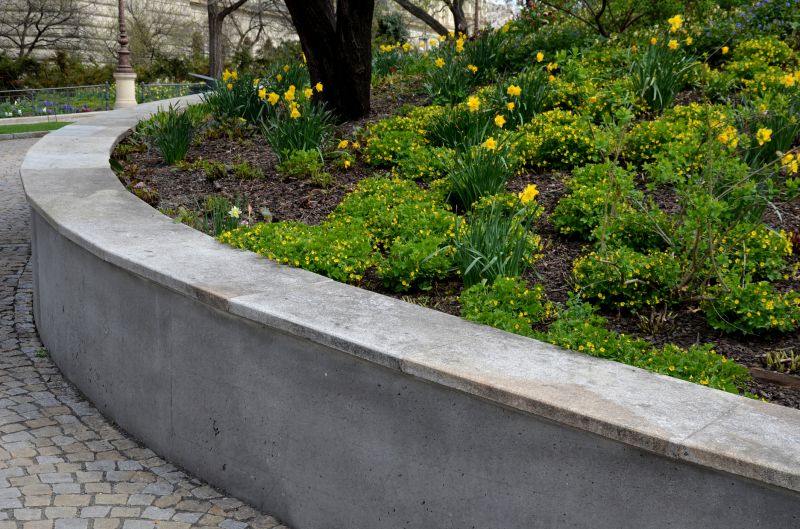
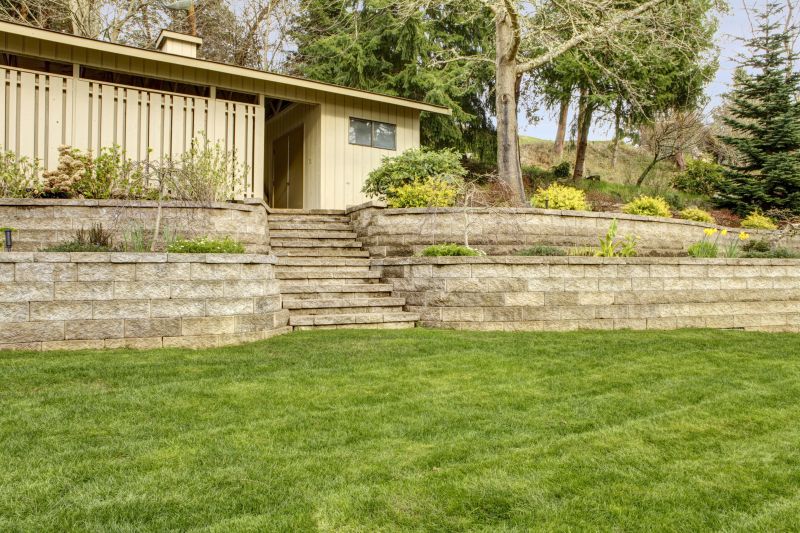
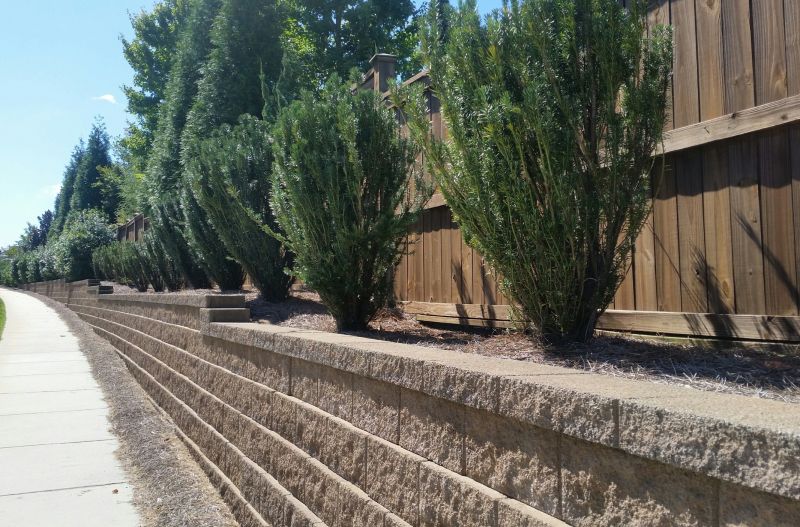
Concrete retaining wall installation involves constructing sturdy structures designed to hold back soil and prevent erosion on sloped properties. These walls are typically built using precast or poured concrete, often reinforced with steel for added strength. The process includes site preparation, precise measurement, and careful placement to ensure the wall can withstand the pressure of the soil it supports. Skilled contractors focus on creating durable, long-lasting structures that integrate seamlessly with the landscape and meet the specific needs of each property.
This service helps address common problems such as soil erosion, landscape instability, and the need to create level areas on uneven terrain. Without proper support, slopes can shift or wash away over time, leading to property damage or safety hazards. Installing a concrete retaining wall can stabilize a hillside, prevent foundation issues, and contain garden beds or patios. It is also an effective way to improve the overall appearance of a yard by creating defined levels or visually appealing terraces.
Properties that typically use concrete retaining walls include residential homes with sloped yards, commercial properties needing landscape stabilization, and public spaces like parks or community areas. Homeowners often choose these walls to enhance their outdoor living spaces, prevent erosion around foundations, or create planting terraces. Commercial property owners may use them to secure parking lots, define boundaries, or support landscaping features. These walls are versatile and suitable for various environments where soil retention and landscape control are priorities.
Homeowners who notice signs of soil movement, erosion, or unstable slopes may find concrete retaining wall installation to be a practical solution. These structures are also valuable when designing multi-level gardens, creating flat areas for outdoor activities, or preventing soil from encroaching on structures. By working with experienced local contractors, property owners can ensure the walls are properly installed to meet the demands of their landscape and provide long-term stability. Contacting local pros can help determine if a concrete retaining wall is the right choice for specific property needs.
The overview below groups typical Concrete Retaining Wall Installation projects into broad ranges so you can see how smaller, mid-sized, and larger jobs often compare in your area.
In many markets, a large share of routine jobs stays in the lower and middle ranges, while only a smaller percentage of projects moves into the highest bands when the work is more complex or site conditions are harder than average.
Smaller Repairs - Typical costs for minor concrete retaining wall repairs generally range from $250 to $600. Many routine fixes fall within this range, depending on the extent of damage and materials needed.
Standard Installation - The cost for installing a new concrete retaining wall of moderate size usually falls between $1,500 and $4,000. Most projects in this category tend to stay within this middle range, with fewer reaching higher amounts.
Large or Complex Projects - Larger, more intricate concrete retaining walls can cost $5,000 or more. These projects often involve additional planning, materials, and labor, which can push costs into higher tiers.
Full Replacement - Replacing an existing retaining wall entirely typically ranges from $4,000 to $10,000 or more. Many full replacements land in the upper-middle to high-end of this spectrum, depending on size and site conditions.
Actual totals will depend on details like access to the work area, the scope of the project, and the materials selected, so use these as general starting points rather than exact figures.
Landscape grading and terracing - local contractors skilled in soil assessment and terrain modification can help create level areas with retaining features.
Foundation wall construction - experts experienced in building strong, durable walls for basements and foundations utilize similar concrete and planning skills.
Drainage system installation - service providers familiar with managing water flow and preventing erosion can implement effective drainage solutions alongside retaining walls.
Garden and yard wall construction - local pros experienced in building decorative and functional garden walls use comparable masonry and planning techniques.
Slope stabilization projects - contractors specializing in stabilizing hillside areas with retaining structures apply similar engineering and concrete skills.
Paving and patio installation - professionals skilled in laying concrete surfaces for patios and walkways share tools and planning methods with retaining wall projects.
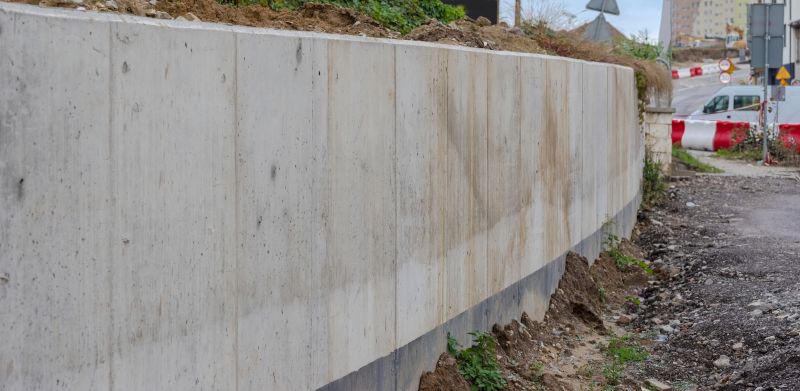
When comparing contractors for concrete retaining wall installation, it’s important to evaluate their experience with similar projects. Homeowners should seek out service providers who have a proven track record of completing retaining wall projects comparable in size and complexity. This helps ensure that the contractor understands the specific requirements, challenges, and best practices associated with this type of work. Reviewing portfolios or project histories can provide insight into their expertise and the quality of their previous work, making it easier to identify professionals who are well-versed in handling projects similar to your own.
Clear written expectations are essential when selecting a contractor for a retaining wall. Homeowners should aim to receive detailed proposals that outline the scope of work, materials to be used, and any relevant specifications. Having this information in writing helps prevent misunderstandings and provides a basis for comparing different service providers. It also allows homeowners to ask informed questions and ensure that all aspects of the project are covered before moving forward. Transparent communication about expectations can contribute to a smoother process and a final result that aligns with the homeowner’s vision.
Reputable references and good communication are key factors to consider when choosing local contractors. Asking for references from previous clients can offer valuable insights into the contractor’s reliability, professionalism, and quality of work. Additionally, effective communication throughout the project-such as prompt responses to questions and clarity about progress-can make the experience more manageable and less stressful. Homeowners should look for service providers who demonstrate transparency and responsiveness, as these qualities often reflect their overall approach to customer service and project management. This careful evaluation can help ensure a successful and satisfying retaining wall installation.
Property owners use Concrete Retaining Wall Installation services for practical projects around their homes and businesses. This guide focuses on everyday jobs and straightforward project options.
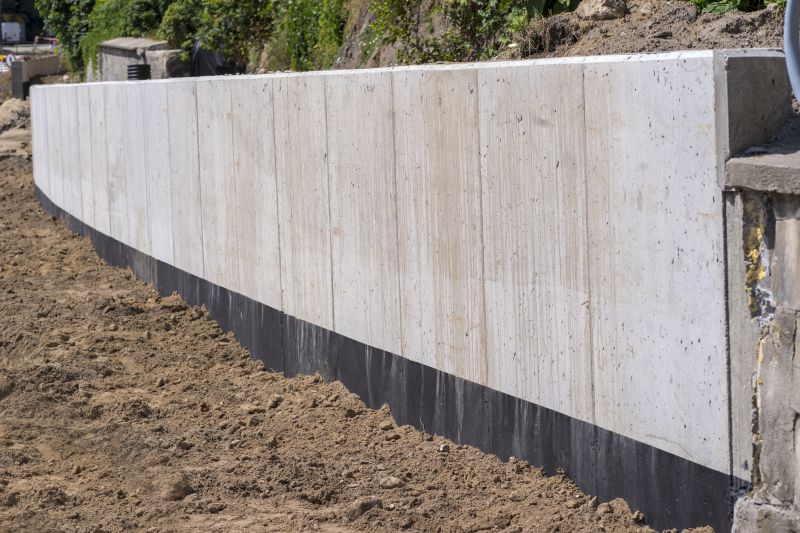
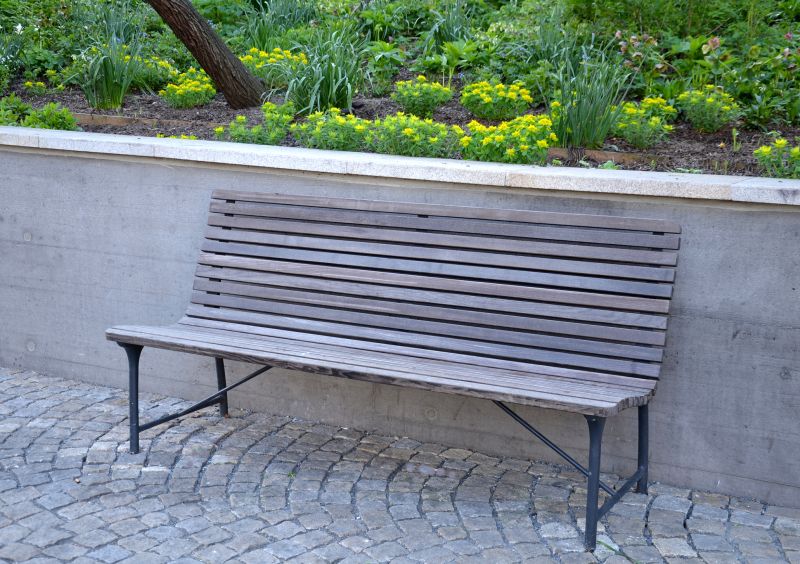
Concrete retaining wall installation is a common solution for property owners dealing with uneven terrain or slope management. Local contractors can help stabilize landscapes, prevent soil erosion, and create level areas for patios, gardens, or outdoor living spaces. Whether a property owner needs a small wall to define a garden bed or a larger structure to support a hillside, experienced service providers in the area can handle a variety of project sizes and styles.
Many property owners seek concrete retaining walls to improve safety and aesthetics around their property. These walls can also serve as a practical way to maximize usable outdoor space or manage drainage issues. Local pros are equipped to assess site conditions and recommend the best approach for durable, long-lasting results. Connecting with nearby contractors can help property owners find the right solutions for their specific needs.
What are concrete retaining walls used for? Concrete retaining walls are used to hold back soil, prevent erosion, and create level areas in landscaping or construction projects.
How do I know if a concrete retaining wall is suitable for my property? A local contractor can assess your site’s conditions and provide recommendations based on your specific landscaping or structural needs.
What factors influence the durability of a concrete retaining wall? Factors include the quality of materials, proper drainage, and correct installation techniques used by experienced service providers.
Can concrete retaining walls be customized to match my landscape design? Yes, many local contractors offer options for finishes, textures, and styles to complement your property’s aesthetic.
What maintenance is required for concrete retaining walls? Typically, concrete walls require minimal maintenance, but periodic inspections and minor repairs can help ensure longevity, which local pros can assist with.
Garden Landscaping - A property owner can use a concrete retaining wall to create terraced garden beds or define planting areas for better organization.
Erosion Control - Local contractors can install retaining walls to prevent soil erosion on sloped yards or hillside properties, improving landscape stability.
Property Boundaries - Retaining walls can be used to clearly mark property lines and create distinct outdoor zones for privacy or recreational spaces.
Leveling Sloped Areas - Installing a retaining wall allows property owners to level uneven terrain for patios, lawns, or other outdoor features.
If you are thinking about Concrete Retaining Wall Installation for a property, this guide is meant to help you understand the work, the typical project types, and how different options might fit your plans.
When you are ready, you can use the quote form on this page to share a few details about your project. From there, local pros can review the basics and respond with options that match what you have in mind.